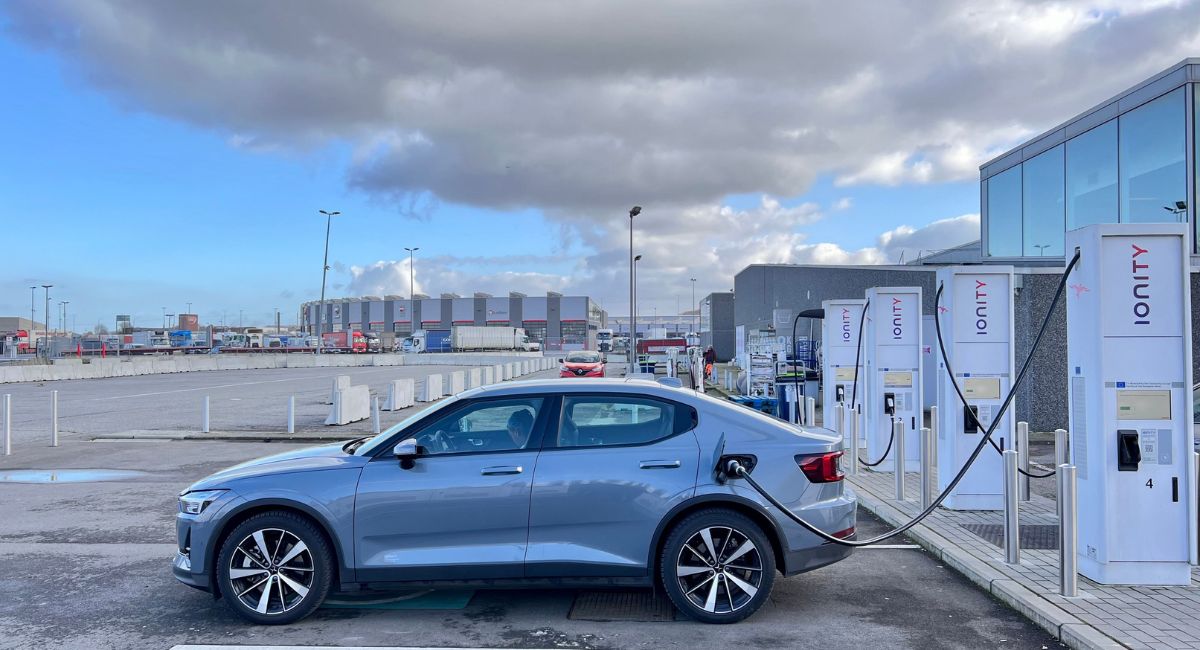
Electric vehicles are a great invention in response to petrol shortages and inflation. It is the fastest invention in the automotive industry. Every major automotive industry around the globe is utilizing all forms of electric-powered transportation.
They have low power consumption and reduce noise pollution. The smoke emitted from petrol and diesel-powered vehicles pollutes the air, which causes asthma, lung cancer, and difficulty in breathing.
EVs are being used for a quiet, clean environment and health. They are not only used at the grassroots level, but are also being used in motorcycles, scooters, cars, buses, tractors, and flying taxis.
These vehicles travel faster than other vehicles. A large vehicle can travel 500-600 km after being charged to 100% in 40-50 minutes from a full-power charger.
What are EVs?
EVs are vehicles that run on energy stored in a rechargeable battery. EV is an abbreviation for electric vehicle. The importance of these vehicles increased in the 21st century when significant changes were made to battery technology.
These batteries are filled with high-density lithium, which can be charged faster and travel longer distances than traditional lead-acid batteries. Lithium batteries have a longer life with more cycles. Their heavy use increases their life expectancy.
How do EVs work?
EVs have several important components that enable them to move.
Battery
Electric vehicles are not more complicated than other vehicles. They possess crucial components that enable them to move. The battery is the most critical component of an electric vehicle. The battery is charged using direct current (DC).
It contains lithium to store DC Current, which allows it to hold electricity for a long time. The battery is fixed in the floorboard of motorcycles, scooters, and cars.
Charger
To charge an EV with direct current, there is a powerful charger and a cable. One end of the cable is connected to the vehicle battery, and the other end to an adapter. The on-board charger converts AC to DC.
Inverter
To convert DC into AC, EVs have an inverter. To control the speed of the power, the inverter converts DC power into AC and sends it to the motor.
Electric Motor
The electric motor rotates the vehicle’s wheels in a circular motion. The inverter transfers electricity to the electric motor. The electric motor sends mechanical energy to the vehicle’s wheels. The vehicle starts moving immediately as soon as mechanical energy reaches the wheels.
Types of EVs

The rise in petrol and diesel prices has made people more inclined to buy electric vehicles. These vehicles use less energy and go farther on a charge. Better and better EVs are being sold in the market, but depending on your financial situation, which vehicle is beneficial for you? If you are worried about making this choice, this article will help you choose better.
1. Battery Electric Vehicles (BEVs)
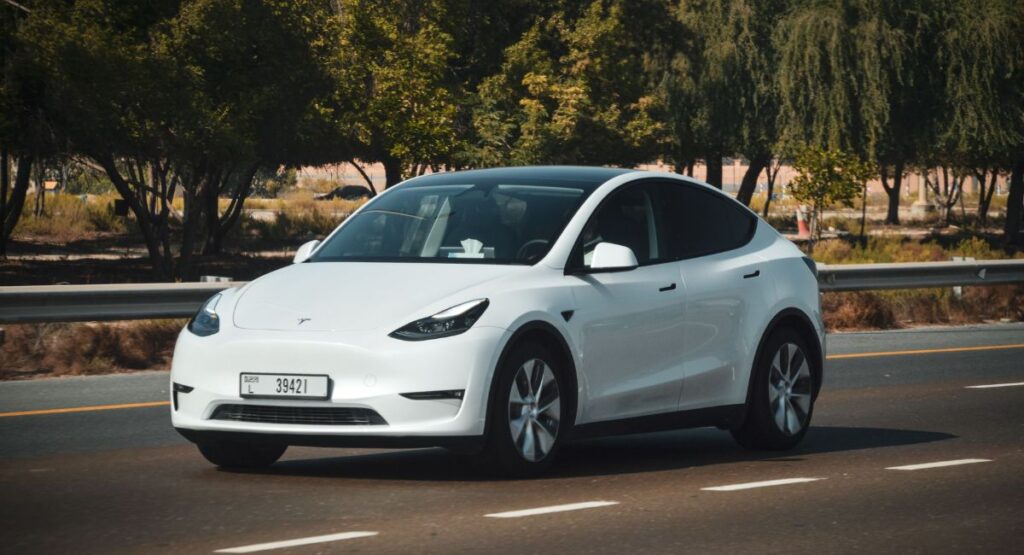
Battery electric vehicles run entirely on electricity. In addition to power stations, home chargers can also be used to charge these vehicles. These vehicles can travel 200 to 400 miles. BEVs are the first and most powerful types of EVs.
Price
The price of these vehicles is $35,000 to $55,000 in 2026.
2. Plug-in Hybrid Electric Vehicles (PHEVs)
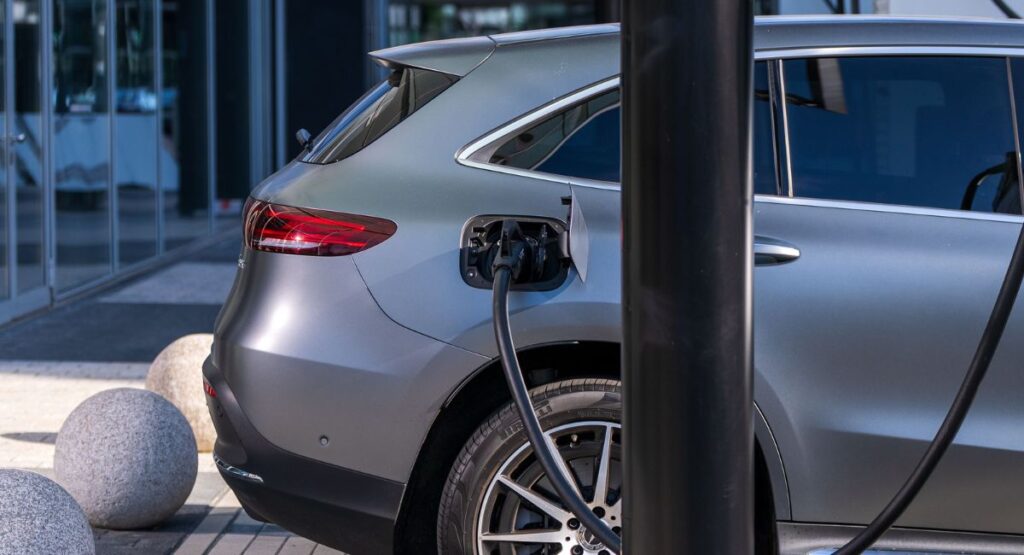
The use of an electric motor, petrol, and diesel in the PHEV makes it unique from other vehicles. The battery, charged with a charging cable, can only cover a distance of 20 to 50 miles. If you want to travel 100 miles and the battery runs out on the way, the vehicle starts running on the engine.
These features of the Plug-in Hybrid Electric Vehicles are very beneficial for users.
When electricity is cheap, you can use an electric motor in the PHEVs, and when electricity is expensive, petrol and diesel are cheap, you can use the engine in this vehicle.
Price
The prices of this vehicle range from $35,000 to $60,000.
3. Hybrid Electric Vehicles (HEVs)
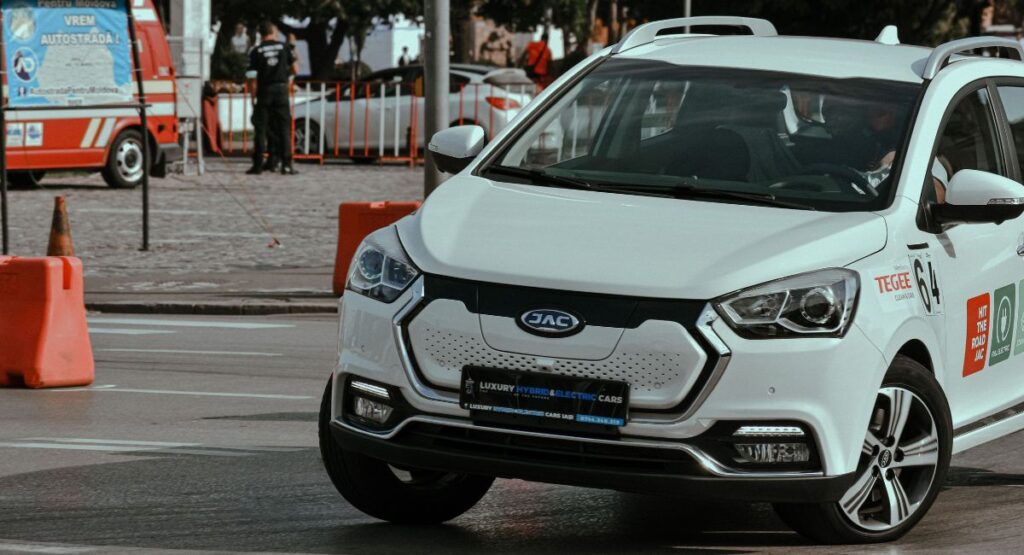
The Hybrid Electric Vehicle uses an engine, an electric motor, and a battery, like a PHEV. Both the engine and the motor can work together. When the battery runs out, the vehicle runs on the engine. The HEV’s battery does not need to be charged with DC Current.
This vehicle charges automatically through regenerative braking and an engine generator. It does not emit smoke even when using the engine. This vehicle is very suitable for those who want to drive a car but cannot buy one due to economic conditions.
Price
This vehicle is available for $ 20,000 to $ 50,000.
4. Fuel Cell Electric Vehicles (FCEVs)

FCEVs use an electric motor and hydrogen gas in a fuel cell for propulsion. Hydrogen generates electricity in the fuel cell. This electricity is sent to the electric motor, which drives the wheels. In the automotive industry, hydrogen-powered vehicles are also being developed alongside battery-electric vehicles. FCEVs can travel 400 to 500 miles.
price
The price of an FCEV is almost $40,000 to $55,000
Conclusion
Inflation has forced people to adopt cheaper, more modern technologies. The high price of petrol and diesel has made people travel in electric vehicles. Before buying these vehicles and traveling in them, it is very important to know about EVs, how they work, and their types. This article explains all the details about EVs that may be necessary.