NASA is the US (United States) largest space research agency. It carries out missions in space every year. Its mission is to understand the reality of stars, planets, and the universe.
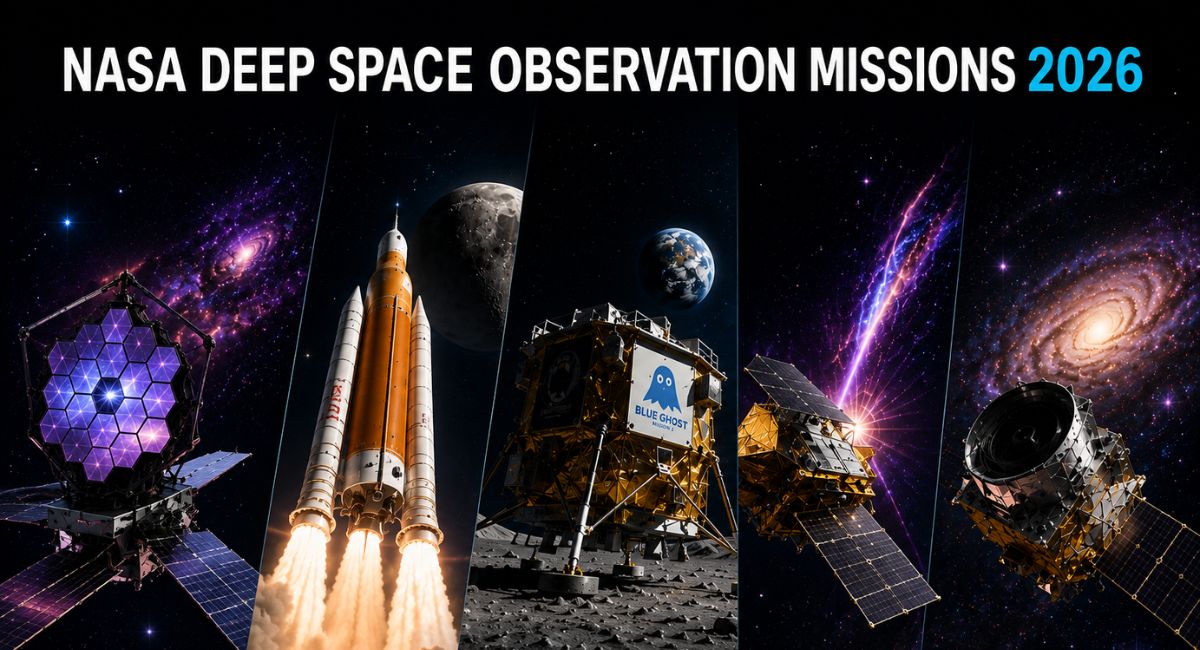
In 2026, NASA will conduct 5 major space missions. Through these missions, it will identify space reserves and resources to support human settlement in space. Various spacecraft and telescopes will guide them.
Due to the lack of electricity in space, solar power is being used in these missions. According to Chinese research, there are black holes in space, and the Earth came into existence through an explosion.
The United States is sending various missions and teams into space to investigate these questions. This article will shed light on NASA’s largest space missions of 2026 and their objectives.
| Table of Contents Importance of Deep Space Observation 1. Aspera UV Telescope 2. Artemis II 3. Blue Ghost Mission 2 4. Swift Boost 5. Nancy Grace Roman Space Telescope Conclusion |
Importance of Deep Space Observation
Space research is very important for understanding the origin of the universe and living a safe life on Earth. Deep Space observations improve global relations among nations, foster economic development, and enhance students’ cognitive abilities.
In future generations, curiosity about the universe, Earth, and other planets will arise. We can challenge anyone anywhere based on space knowledge. Humans know the purpose of coming to the world.
Space Research creates confidence in the signs of nature. New digital technology comes into existence. Developing new technologies creates opportunities for industry development. The experiments and observations of scientists worldwide combine to create a new way of thinking.
1. Aspera UV Telescope
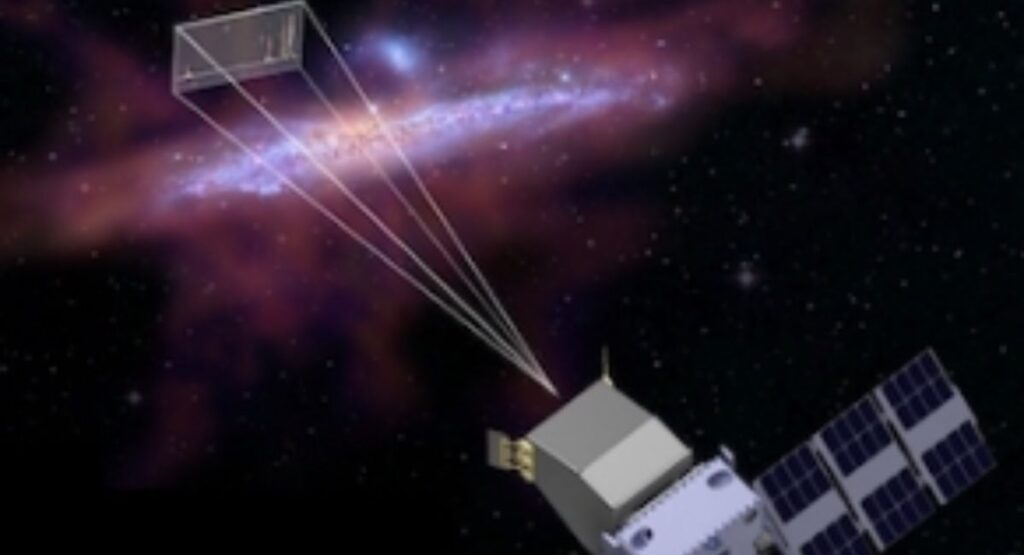
The Aspera Ultraviolet Satellite is a small telescope. Some suspicions suggest that there is hot gas around the halos of very nearby galaxies. This telescope is designed to observe this gas.
Ordinary light cannot be used in galaxies, so Aspera will use extreme-ultraviolet light to search for OVI line emission that extends into space. The telescope is based on the design of the FUSE mission, which has successfully observed galaxies.
Characteristics of UV Telescope
| Characteristics | Details |
|---|---|
| Size | 335.6 × 254.0 ×395.29mm |
| Angular Resolution | <60” |
| Focal Length | 171.2 mm |
| Field of View | 60’ × 30” |
| Effective Area | 1.85 ㎠ at 103.5 nm |
| Mass | 24 kg |
2. Artemis II
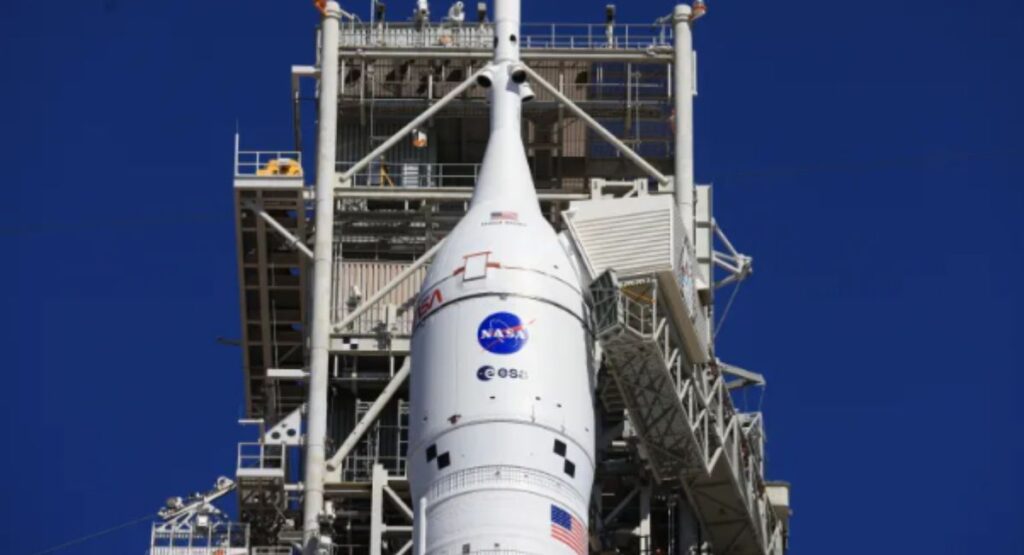
NASA’s largest space mission, Artemis II, was launched on April 1, 2026. The goal of this mission is to find water ice deposits on the Moon. After searching for these deposits, humans will be able to settle on the lunar. This mission also includes several countries that are using their technologies.
In this mission, a team of 4 people was sent to the Moon for research. NASA’s Orion spacecraft was used to take these astronauts to the Moon. This is NASA’s most powerful spacecraft. It uses less energy and fuel.
Crew Performing the Artemis II Mission
| Position | Astronaut |
| Commander | Reid Wiseman (NASA) |
| Pilot | Victor Glover (NASA) |
| Mission Specialist | Christina Koch (NASA) |
| Mission Specialist | Jeremy Hansen (CSA) |
3. Blue Ghost Mission 2
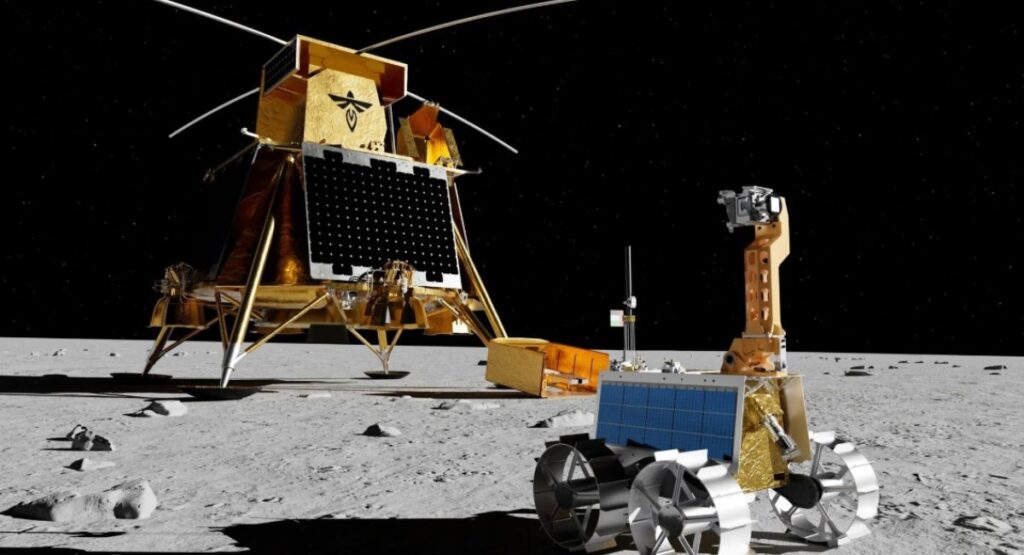
NASA’s Blue Ghost Mission 1 is followed by the Blue Ghost Mission 2 in 2026 by Firefly Aerospace. The mission aims to land the LuSE-Night Radio Telescope on the lunar surface.
The aim is to detect the dark parts of space by deploying satellites and other technologies. The mission will include three large spacecraft and six payloads. They will provide various services for conducting research.
Specifications of the Blue Ghost Mission 2
| Specifications | Details |
| Operator | Firefly Aerospace |
| Mission Type | Robotic Lunar Landing |
| Launch Vehicle | SpaceX Falcon 9 Block 5 |
| Transit Duration | 44 Days |
| mission leader | Vice President for Spacecraft Ray Allensworth |
4. Swift Boost
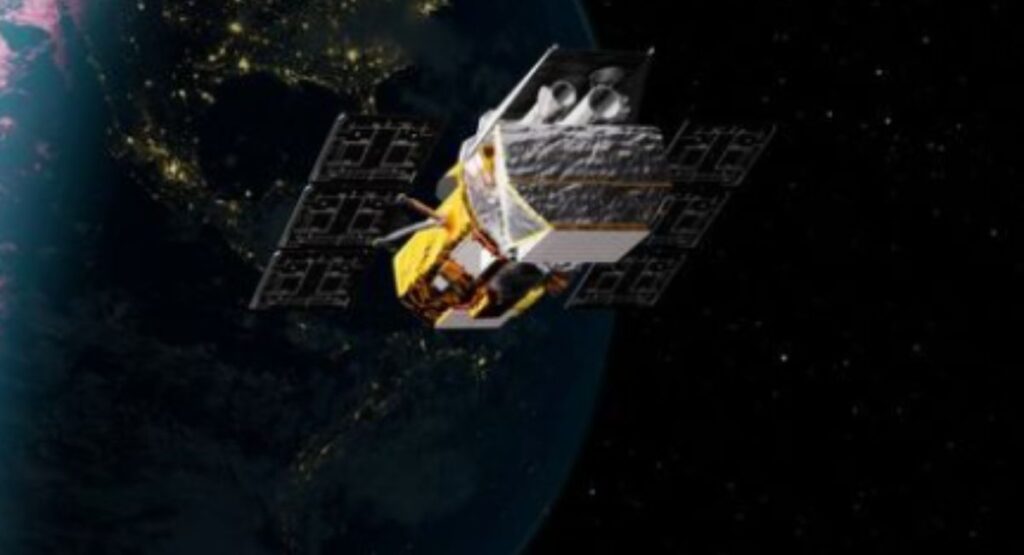
NASA launched the Swift Boost mission to rescue the Neil Gehrels Swift Observatory in space on 3 July 2026. In this mission, the Link spacecraft of Katalyst Space Technology was sent into space.
This spacecraft is a robotic base. In 2004, the Neil Gehrels Swift Observatory was launched into orbit to relay information. It is heading towards Earth. The Link spacecraft will send it further into space.
Specification of Swift Boost
| Specifications | Details |
| Height | 1.5m |
| Width | 6m |
| Launch Mass | 425kg |
| Orbit | LEO at 20.6͒ inclination |
5. Nancy Grace Roman Space Telescope
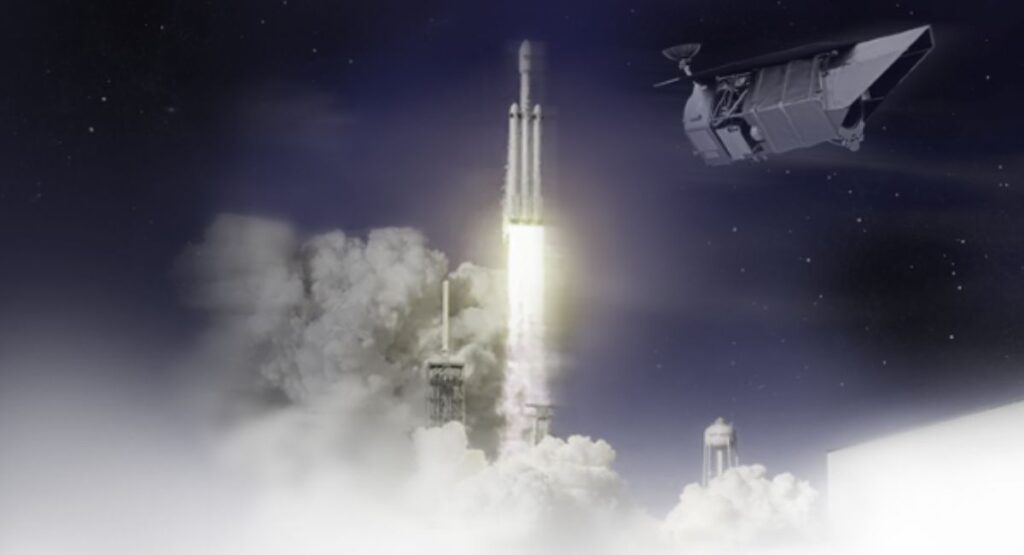
Nancy Grace Roman will be sent into space by a rocket on August 30, 2026. This telescope is named after NASA’s first chief astronomer, Dr. Nancy Grace Roman. It will be NASA’s largest mission in space. There are two major instruments to take pictures of the universe:
- The Wide-Field Instrument Camera.
- The Coronagraph Instrument to reduce the light of stars.
Its camera is 100 times larger than the Hubble telescope. Its main purpose is to provide astronomers with information about the planets, stars, moon, sun, and the origin of the universe. In addition, it will search for dark matter in the universe.
Specifications of the Nancy Grace Roman Space Telescope
| Specifications | Details |
| Rocket | SpaceX Falcon Heavy |
| Mission Duration | 5 Years |
| Diameter | 2.4m |
| Orbit | Sun-Earth L2 |
| Focal Ratio | f/7.9 |
Conclusion
In 2026, NASA is the largest organization conducting space missions among all space agencies worldwide. It is conducting major missions in space, such as the Aspera UV Telescope, Blue Ghost Mission 2, and the Nancy Grace Roman Space Telescope, to explore the history of space, dark matter, and exploration of reserves. It is conducting the Swift Boost to take the telescope sent into space to greater depths, and Artemis II to settle humans on the Moon. To know more details about them, read the article. I Hope, this article will provide you with all the details on NASA’s 5 major space missions in 2026.