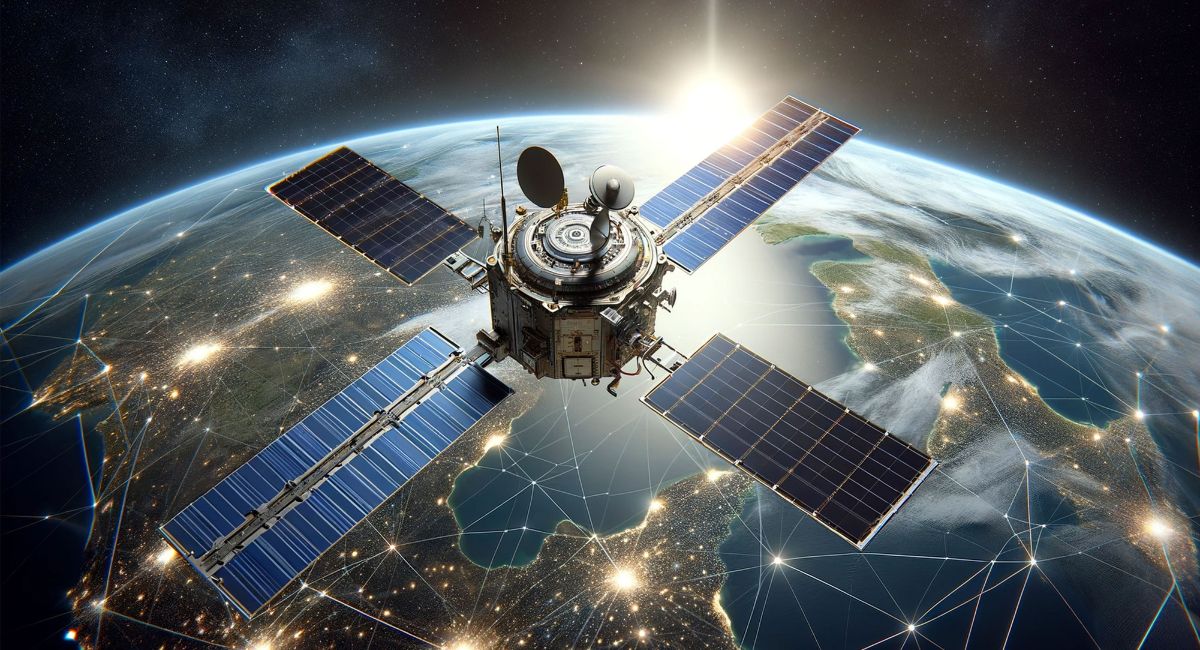
The global communication system has been based on wired and mobile phone networks for many years. Thanks to satellites, millions of miles of the world are coming together in one place.
This reliable system is extremely flexible, connecting the world and all space missions. This is not just a fantasy, but a reality. In wars between countries, including the recent Iran-US war, satellites are providing instant messaging access.
There is only one company behind this system that brings all the systems together in one place and provides reliable information. Geostationary (GEO) satellites are reshaping global connections. These satellites monitor events around the world and provide live news, information, and incident videos.
This article will shed light on the way the satellite works, the threats it faces, and how it eliminates the global communication dead zone.
How Orbital Infrastructure Works
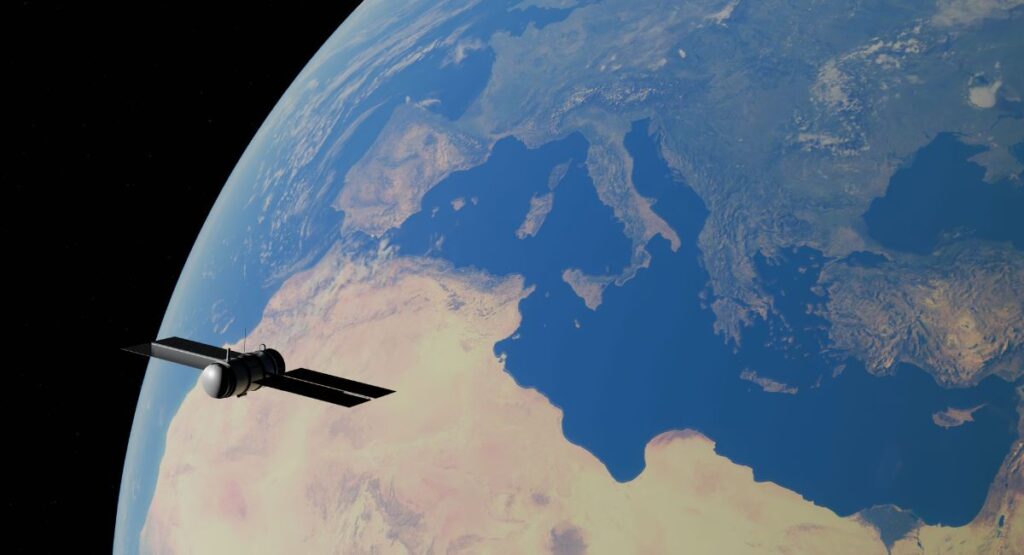
The satellite infrastructure transmits data signals from space to the Earth. In the last 2 to 3 years, modern satellites have been built. They work like a net around the Earth.
If we examine the Earth through a space telescope, we will see a net of digital satellites around the Earth, which transmit information in seconds to the space station.
Users send information to these components through their devices or radio signals: the Space Segment, Optical In-satellite links, Ground Segment, and User Terminals. These components send information to other Inter-satellite laser links.
The last satellite operating in the orbital infrastructure sends information to a gateway station. The gateway transfers data over fiber optics to deliver information to the global network
How Global Communication Eliminate Dead Zones?

Dead zones are areas without cellular signal or network coverage. In remote areas away from cities, the network does not reach them. These areas are cut off from global news and connections. People living there are living a hundred-year-old life. The main goal of global communication is to eliminate dead zones in these areas. Space satellites are being used to eliminate dead zones.
It is very difficult to reach the network from the ground there. To eliminate dead zones, a hardware station, the Evolved Node B, provides LTE 4G network coverage. Direct-to-Cell and LEO satellites are being used for emergencies.
LEO satellites operate in low Earth orbit (LEO). The American space agency SpaceX is bringing together all the world’s mobile networks in one place. So that the whole world can be connected by bringing them together on one platform.
How LEO Establishes Global Connectivity?

Low Earth Orbit (LEO) satellites are bridging the digital divide by strengthening global connectivity. The purpose is to provide a network to the entire world. LEO orbits are only 500 to 2,000 kilometers above the Earth.
That is why it provides faster internet access than other satellites. It provides internet connectivity via optical fibers, enabling fast networks across oceans and deserts in a short time without any land barriers.
According to a recent review, LEO is facing global challenges and providing internet to more than 3 billion people. These satellites are connecting industries, logistics, and other sectors to global markets.
It is teaching them new ways to increase production through the Internet. It is showing new ways to quickly re-fertilize farmers’ lands destroyed by natural disasters, and new ways to develop industries with less investment in digital infrastructure.
The Difference Between Edge Computing and Onboard Artificial Intelligence
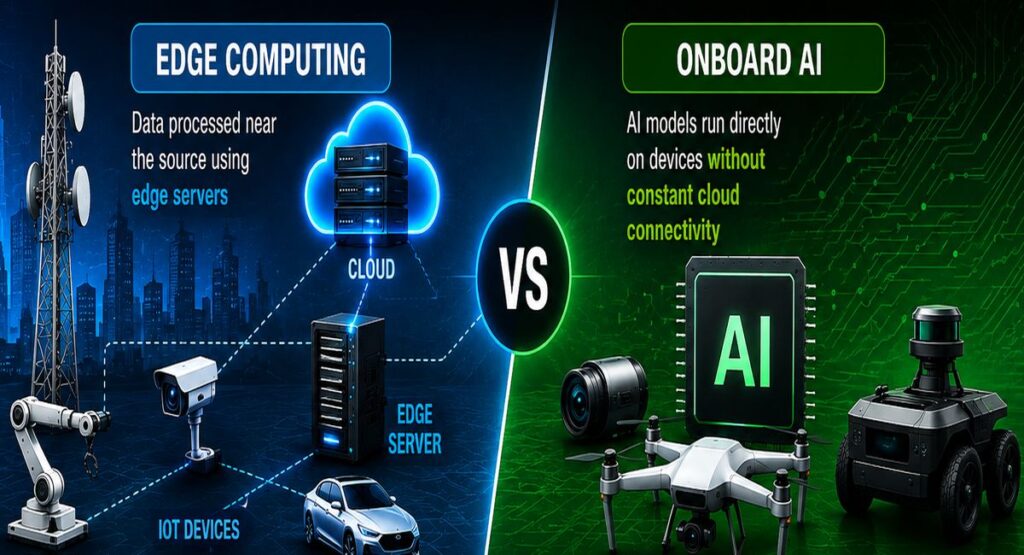
Edge Computing creates a circle change the cloud; instead of sending data to other services, the edge processes data close to its own services. This basically ensures data security.
Onboard Artificial Intelligence works directly on the hardware without any application.
There is a difference in the way the two work, which is explained below.
| Features | Edge Computing | Onboard Artificial Intelligence |
| Primary Focus | Reducing latency and bandwidth | Enables devices to make automated decisions |
| Processing | Researches data on the local network | Processes data within devices |
| Network Requirement | ٰOnline network is required to obtain data | Can obtain data without an online network |
| Data Process | Processes data from various devices | Only processes sensor data within its devices |
What Structural Risks do Orbital Infrastructure and Satellites Face?
Orbital infrastructure and satellites face risks of severe environmental and mechanical collisions, as well as operational stresses, which are harmful to the space environment and to satellites.
- During a LEO satellite collision, small fragments are formed, which can force orbital infrastructure to react.
- The sound, vibration, and high temperature of a rocket launch pose a risk of a rocket explosion.
- There is a risk of fuel in the pressurized section of a rocket catching fire in the pipelines.
- When a satellite goes from the hot Earth to the cold space, there is a risk of the material expanding as it cools.
Conclusion
Orbital infrastructure and satellites are connecting the entire world, including through space missions. LEO satellites provide high-speed connectivity that terrestrial networks cannot match. It has become the most powerful means of global connectivity. It is connecting industries, in addition to underdeveloped areas, with global markets. Before getting a network from this satellite, it is very important to know the difference between edge computing and on-board AI, and the structural risks faced by orbital infrastructure. In this article, we have explained in detail how satellites are establishing global connectivity. I hope this article will help you establish global connectivity from satellites.