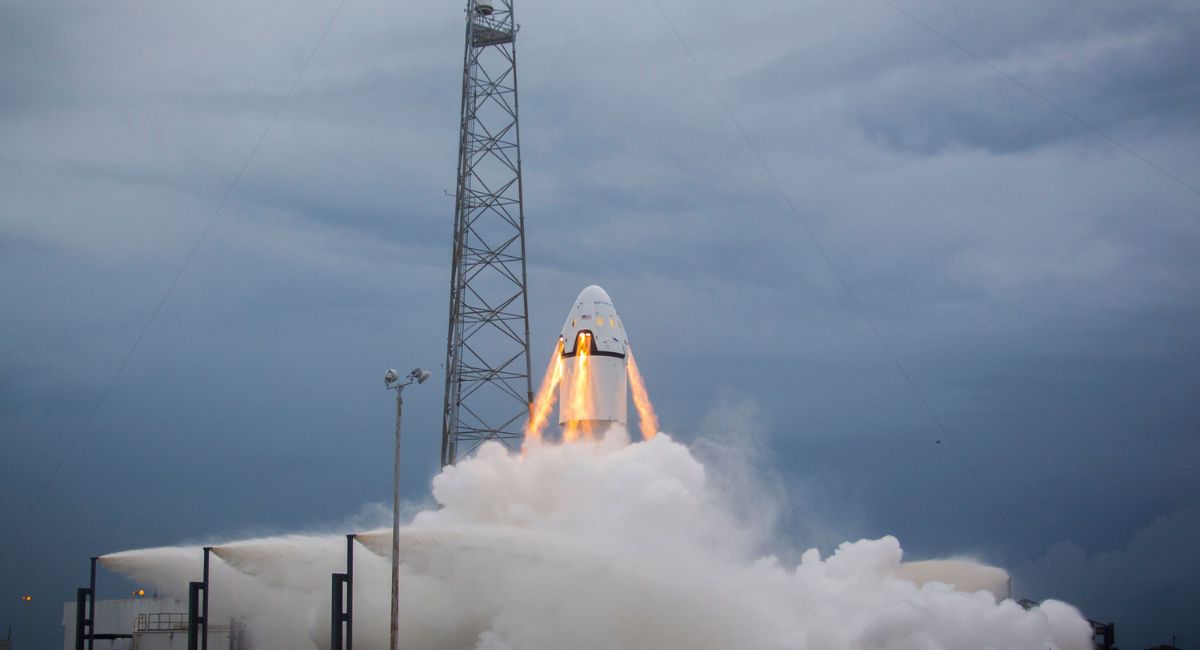
Reusable space technology has become a purchasable experience for the general public. Now the impossible has become possible. Space agencies would decommission rockets and spacecraft after each space mission.
This increased the cost of new technology for each mission. This is a great development that will reduce costs and increase the general public’s curiosity about space exploration.
Now the general public will be able to travel and tour space in addition to Earth. Rockets like SpaceX Falcon 9 have reduced the cost of launch to 30$ million. Reusability has developed science, agriculture, and the automotive industry. Institutions like ULA are also adopting this system.
| Table of Content Reusable Spacecraft How Reusable Rockets Cut Launch Costs Commercial Space Travel Space Tourism in 2026 Future of Space Tourism Conclusion |
Reusable Spacecraft
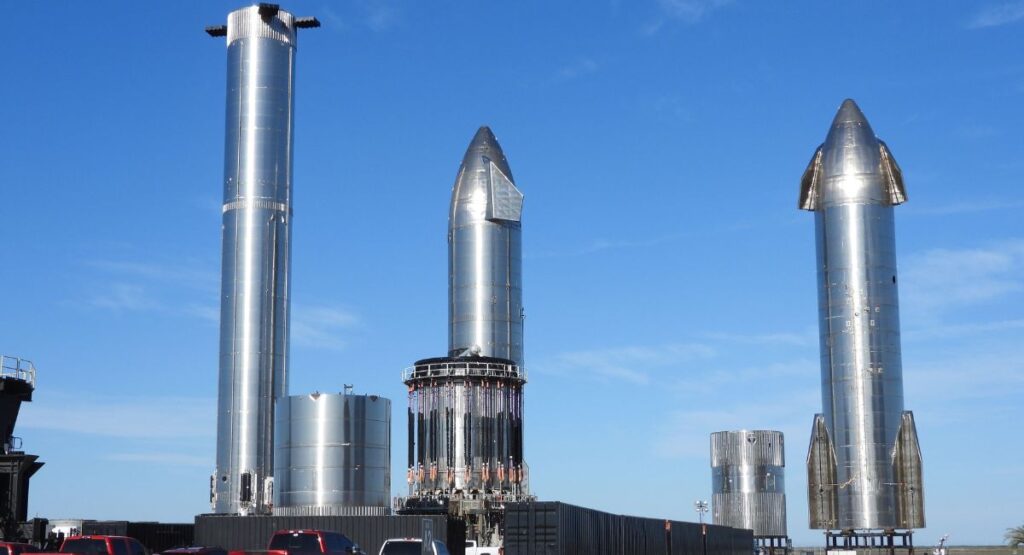
Reusable spacecraft refers to a spacecraft that can be re-landed, flown, and splashdown. Reusable spacecraft were encouraged by the Space Shuttle Columbia in 1981. It was the first reusable spacecraft in history. NASA named this mission STS-1. This mission was successful.
Lightweight materials are used to reuse the spacecraft. So that they do not fall into the sea or land after the mission is completed. These spacecraft are used not only for logistics, missions, and entertainment but also to provide new experiences for the public.
Pros
Significantly reduces launch costs.
Increases opportunities for public space tourism.
Reduces environmental pollution.
Creates opportunities for new thinking in space exploration.
Cons
Higher fuel consumption.
Additional technology used in spacecraft repairs.
Dangers of spacecraft crashes during flight.
Fewer launches of new digital spacecraft.
How Reusable Rockets Cut Launch Costs
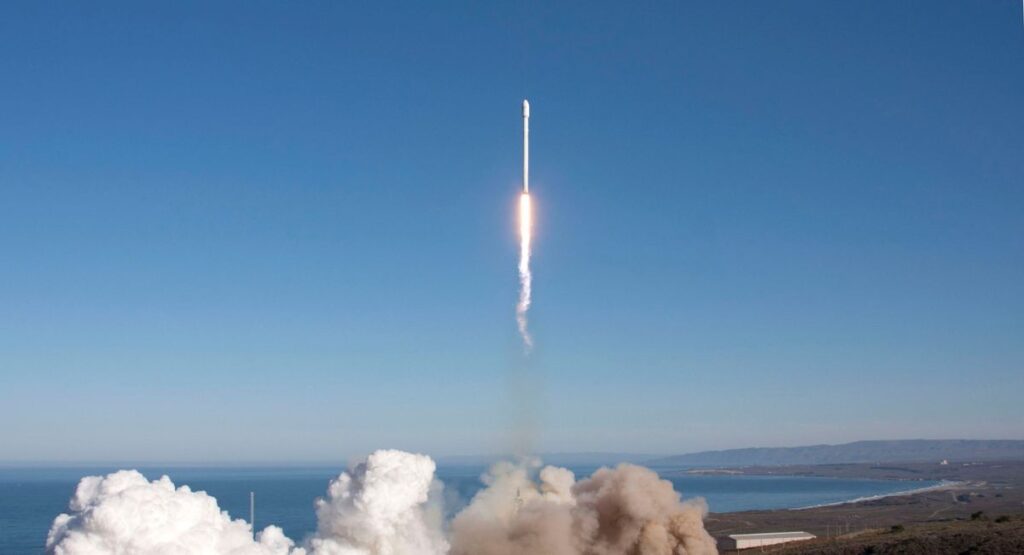
Since the 1990s, the cost of launching space technology has decreased. The main reason for this decrease is the use of reusable rockets. Private and public space companies from various countries are focusing on competing in space missions by challenging the space monopoly.
Chinese and American space companies are rapidly testing rockets and spacecraft capable of safely returning to Earth. When rockets are launched into space, some of their parts are destroyed in orbit. The remaining elements are returned to Earth using control systems. They are reused in rocket production.
Rockets reduce launch costs in the following ways.
- The Most Expensive Parts: Engine Savings
Out of 100% of the cost of manufacturing a rocket, 2% is spent on fuel, 25 to 30% is spent on manufacturing raw materials, and the remaining 60 to 68% is spent on engine production. When 32% is destroyed in space, 68% is spent on the remaining engine to produce a new rocket, which not only reduces launch costs but also reduces time and does not require additional engineers.
- Re-servicing
When the rocket returns to Earth after a mission, only the damaged part is serviced, tested, and the engine cleaned. The rocket is not rebuilt from scratch, as is the case with conventional methods. This significantly reduces launch costs. It can be re-prepared for another mission in about 6 to 7 days.
- High Frequency
Reusable rockets enable more missions by lowering launch costs. Space engineers and teams launch about 5 to 6 rockets a month. This means their salaries don’t feel as heavy due to the large number of missions. Companies grow at a faster pace.
Commercial Space Travel
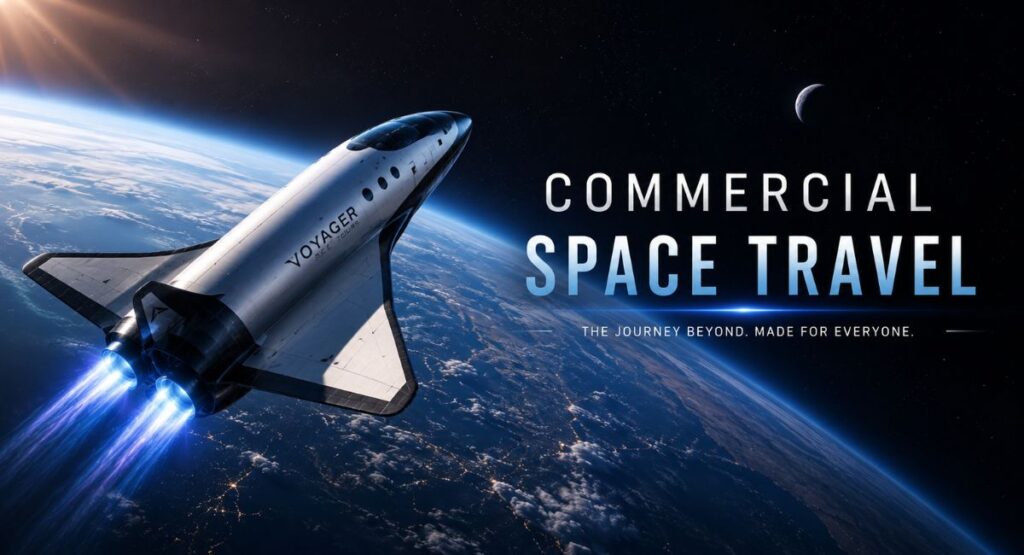
Reusable spacecraft have made space travel economically accessible. Reusable rockets and spacecraft are opening up avenues for space exploration and flights.
These flights are improving the country’s economic conditions.
Like government agencies, private companies also take ordinary people into space by selling tickets. Ordinary people’s space travel has reduced the cost of manufacturing space technology by 30%.
Space travel has become a commercial and business activity. The goal of commercial space travel is to raise awareness of the importance of planets, stars, and space exploration.
Space Tourism in 2026
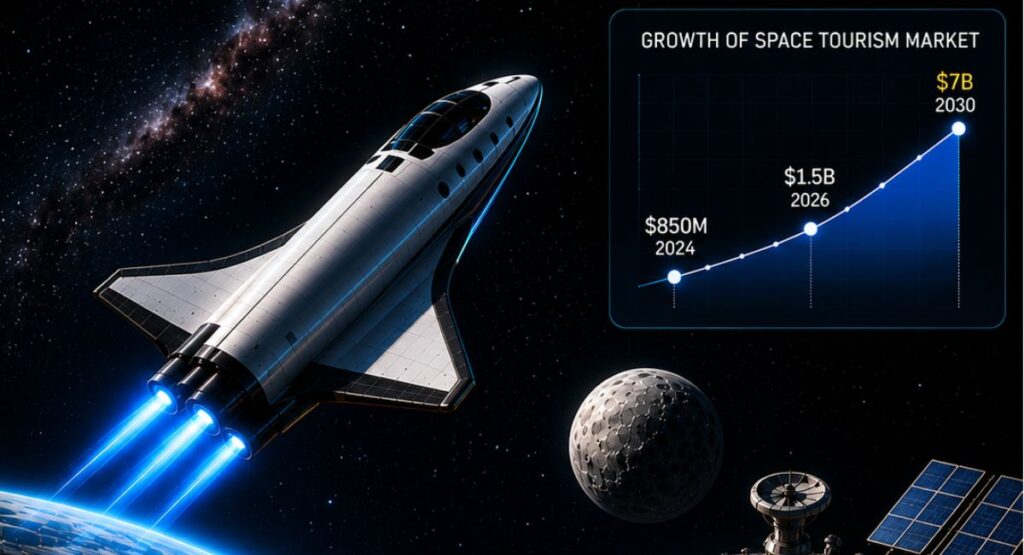
Space tourism has grown exponentially due to reusable flights. In 2024, the volume of space tourism was $850 million, which increased to $1.5 billion in 2026. If governments continue to encourage space companies, engineers, private companies, and institutions, the annual rate of space tourism may reach $7 billion by 2030.
The growing trend of AI and Quantum Computing, and the growing demand for passenger space tourism, adventures with the excitement and enthusiasm of companies and institutions, will keep the world engaged in a never-ending space war in the coming years.
According to a recent report, in addition to passengers, research agencies and various universities are sending their students for research and tourism to prepare them for the future. Many students have also studied space diseases. In 2026, companies like Blue Origin and Virgin Galactic are sending about 2 to 3 flights a week.
Future of Space Tourism
The future of space tourism is bright and clear. According to space analysts and teams, the space market will reach $40 billion by 2050. In 2026, space tourism is for the wealthy, but in the future, costs will fall as spaceflight becomes more common, and middle-class people will also be able to access space.
Tourism will directly affect the country’s economy and finances. If the economy grows, a prosperous society will result. Beyond missions and passenger tourism, space stations, hotels, educational institutions, residences, and business markets will be established to promote peace and tranquility.
It will become difficult to distinguish between space and Earth. Modern, advanced technology will be developed. Job opportunities will open for unemployed people. People will be taught to live a digital life through free programs. Along with this, we will face risks. We should prepare our minds to live such a life from today.
Conclusion
Reusable spacecraft have revolutionized the world of rocket science. Space travel has become a purchasable experience for the wealthy and poor alike. The participation of private companies in space tourism has turned the dreams of ordinary people into reality. The emergence of markets in space is proof that space tourism will play a vital role in the country’s economy in the future. I hope this article will give you all the information about how space has become a purchasable experience for humans.